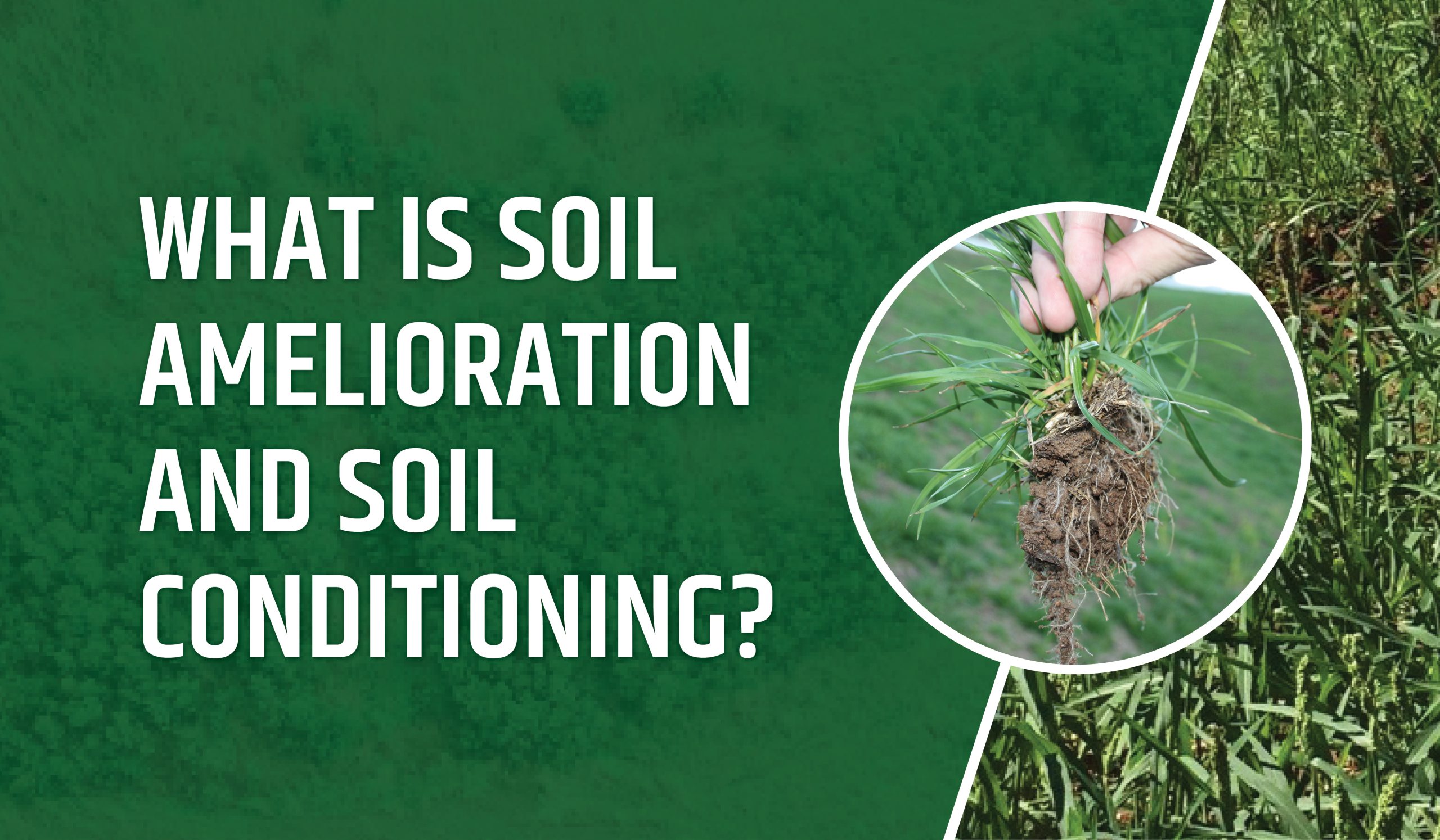
Successful revegetation depends on far more than putting seed on the ground.
At commercial sites with depleted, disturbed or dysfunctional soils, contractors must first understand what’s limiting plant establishment – and this is where soil amelioration, soil conditioning and pH management come into play. At EnviroStraw, we analyse soil constraints through a biological lens, ensuring every intervention is targeted, efficient and geared toward long-term soil repair, rather than temporary chemical correction.
What is soil amelioration?
Soil amelioration is the process of correcting underlying constraints that stop plants and soil microbes from functioning properly. These constraints often include:
- Low calcium and low pH
- High sodium (sodicity)
- High aluminium, which suppresses plant growth
- Excessive potassium and chloride, indicating an alkaline imbalance.
Rather than treating pH alone, EnviroStraw focuses on identifying what is driving the pH or Eh (redox potential) imbalance. A comprehensive cation exchange test reveals the true limitation – whether that’s calcium deficiency, sodium excess or something else entirely.
Once the constraint is identified, the soil amelioration step removes that roadblock so the soil’s biological engine can start working again, building pathways for plants.
What is soil conditioning?
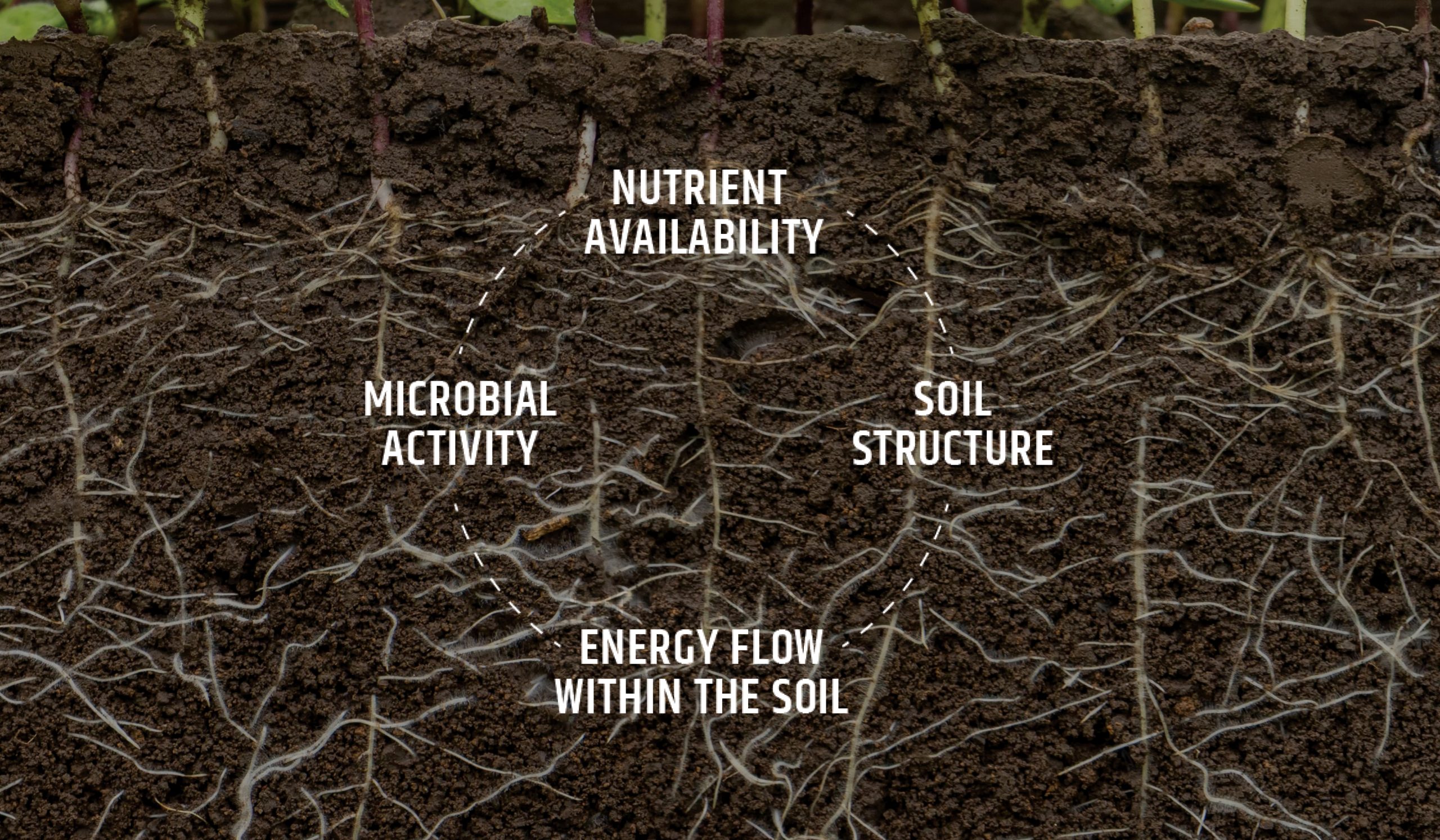
Once constraints are addressed, the next step is soil conditioning – rebuilding a functional rhizosphere where biology thrives.
Soil conditioning focuses on improving:
- Microbial activity
- Nutrient availability
- Soil structure
- Energy flow within the soil.
EnviroStraw takes a biology-first approach because chemicals may provide short-term correction, but they don’t build long-term resilience. Microbes, however, rebuild living soil aggregates, cycle nutrients and stabilise the system.
One of the key levers is Eh (redox potential) – a measure of the soil’s ability to exchange electrons. High Eh supports energetic microbial communities, and raising Eh is often achieved by adding calcium – not to shift pH chemically, but rather to supply the microbial system with the energy it needs to grow and protect plant roots.
So what does this mean for pH – and does it still matter?
Yes, pH still matters, but not in the way many assume. In conventional agronomy, low pH is corrected with lime or dolomite, and sodic or alkaline soils are treated with gypsum. But in disturbed commercial soils, bulk-shifting pH is often expensive, slow and ineffective for biological recovery. That’s why, at EnviroStraw, we ask ourselves a different question – is the pH itself the problem, or is it simply a symptom of a deeper constraint such as low calcium or high sodium?
By addressing the underlying chemistry of the rhizosphere, microbes are able to buffer pH naturally around plant roots. This is why a soil may present as pH 4.5 on paper, yet once calcium is added and microbes begin cycling energy, the root zone becomes suitable for plant establishment.
Microbes manage rhizosphere pH far more effectively than bulk soil amendments can.
If pH adjustment is required, how’s it done?
When soil testing confirms that a pH shift is genuinely needed, the intervention depends on the underlying cause, rather than simply the number on a test report.
Low pH with low calcium
We recommend adding calcium sources (e.g., calcium carbonate, calcium sulfate), typically around 500 kg/ha or more depending on the site. This improves Eh and gives microbes the tools to buffer the rhizosphere.
High pH or sodic soils with excess sodium
Instead of relying solely on gypsum, EnviroStraw uses potassium sulfate to support the natural potassium-sodium exchange pump within the rhizosphere. Roots prefer potassium over sodium, so when potassium is supplied, plants and microbes push sodium out of the root zone – achieving what chemical gypsum treatments attempt, but biologically.
High aluminium
This is a strong indicator of acidity-driven toxicity. The solution again comes back to calcium – lifting Eh and enabling microbes to build a healthier rhizosphere.
High potassium and chloride (alkaline soils)
These soils require different nutrient strategies to bypass the constraint and allow biology to function.
Bringing it all together – the biological pathway to revegetation success
For contractors, the key message is that inputs alone will never rebuild a stable soil – but biology will. Soil amelioration removes the constraints, soil conditioning rebuilds the microbial engine and, when pH adjustment is needed, it’s done through targeted chemistry that supports biological function. This is why EnviroStraw’s science-first approach consistently delivers stronger establishment and longer-term stability on the most challenging commercial sites throughout Australia. If you’d like support interpreting your soil tests or planning the right conditioning program for your next project, EnviroStraw’s technical team is here to help.